
 EN

What Happens When Keyboard Sample Approval Is Delayed?
What Does Keyboard Sample Approval Confirm?
A professional approval process should confirm both the physical specifications and the functional performance of the keyboard.
The approved sample may define:
- Case dimensions, fit, and hinge structure
- Magnetic attachment and key layout
- Key travel, typing feel, and scissor mechanism
- Product color, surface finish, and logo placement
- PCB, PCBA, Bluetooth module, battery, and charging system
- Firmware, backlight, touchpad, and shortcut keys
- Packaging, accessories, and product artwork
For tablet keyboards and iPad keyboard cases, compatibility is particularly important. Changes to the device opening, camera cutout, magnetic position, or hinge may affect both the user experience and the manufacturing process.
A sample that looks correct but has not passed functional testing should not be released for mass production.
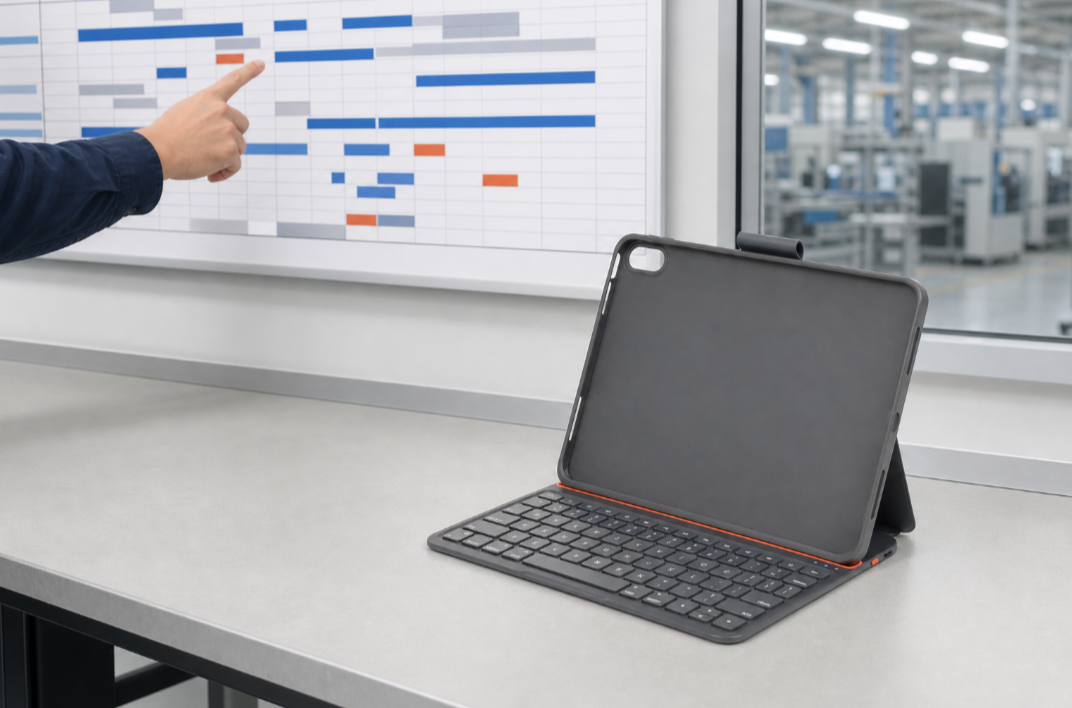
How Does a Keyboard Manufacturer Handle Delayed Approval?
A professional factory should not wait passively and then restart the project from the beginning. Instead, the production team should review which tasks can continue and which must wait for final confirmation.
The manufacturer typically checks:
- Which product specifications are already confirmed
- Which components are standard and which are customized
- Whether PCB, firmware, or material preparation can proceed
- Whether tooling or injection molding has started
- Whether production capacity is still available
- How the delay may affect quality, cost, and delivery
- Whether a revised production schedule is required
Standard components may be prepared in advance, while customized housings, colors, packaging, or firmware changes may need to remain on hold. This project-based assessment helps reduce idle time without producing items based on unapproved specifications.
Why Are PCB and PCBA Important?
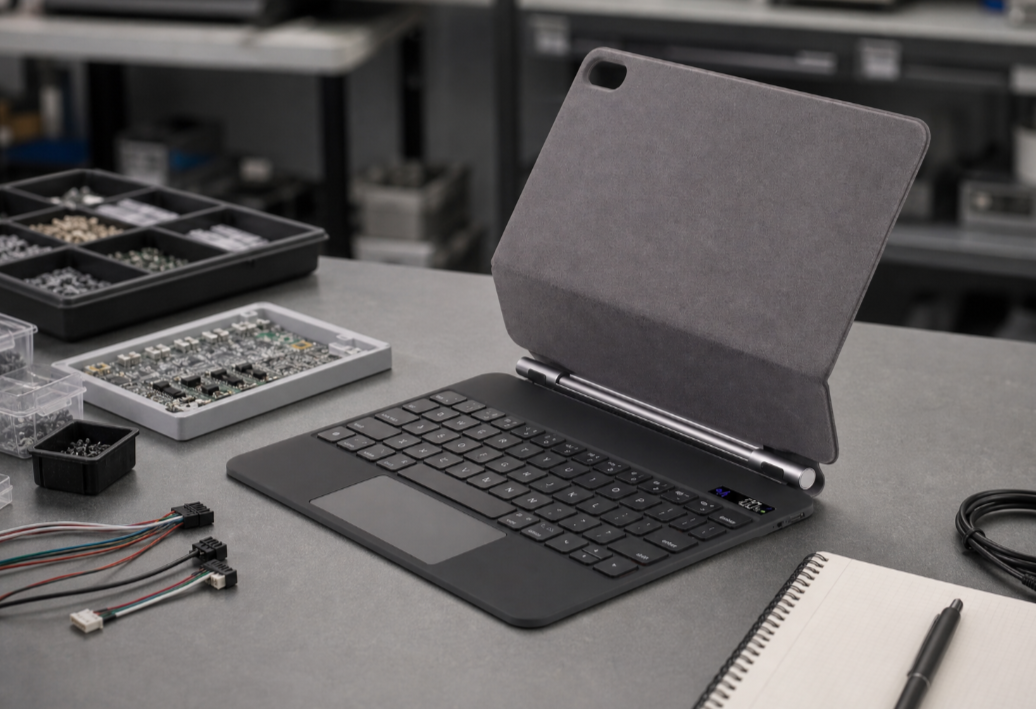
The PCB controls key input and may connect with Bluetooth, battery charging, backlight functions, the touchpad, shortcut keys, and indicator LEDs.
Once the PCB version is confirmed, the factory can plan PCBA preparation, component purchasing, firmware configuration, and functional testing. These activities may become part of the project's critical path.
A typical keyboard manufacturing process includes:
Material inspection → SMD placement → PCB assembly → Firmware testing → Mechanical assembly → Final assembly → QC inspection → Packing and shipment
If the PCB or firmware changes after production preparation has started, the factory may need to rework units, replace components, or repeat functional testing. This is why delayed sample approval can create both technical and scheduling problems.
What If the Customer Changes the Color at the Last Minute?
A last-minute color change may affect more than the keyboard housing. The manufacturer may need to confirm:
- Whether plastic materials or color masterbatch have been purchased
- Whether injection molding has started
- Whether surface treatment is complete
- Whether keycaps or accessories are affected
- Whether packaging artwork matches the new color
- Whether a new production batch is required
- Whether the delivery date must be revised
The correct response is not simply to accept or reject the request. A responsible keyboard manufacturer should assess the production status and explain the effects on materials, cost, quality, and delivery. Possible solutions may include using available materials, separating the order into batches, or setting a new production date.
Why Quality Control Cannot Be Skipped
A delayed approval may shorten the production window, but quality control should not be removed from the process.
Keyboard QC may include:
- Incoming material inspection
- PCB and PCBA functional testing
- Bluetooth pairing and reconnection testing
- Charging and battery checks
- Key registration and shortcut-key testing
- Touchpad and backlight testing
- Case fit, hinge, and appearance inspection
- Logo, color, packaging, and accessory verification
- Final inspection before shipment
Any change made after approval should be reflected in the production documents and QC checklist. Faster production cannot compensate for unstable Bluetooth, charging problems, inconsistent keys, poor case fit, or incorrect packaging.
Sample Development vs. Sample Approval vs. Mass Production
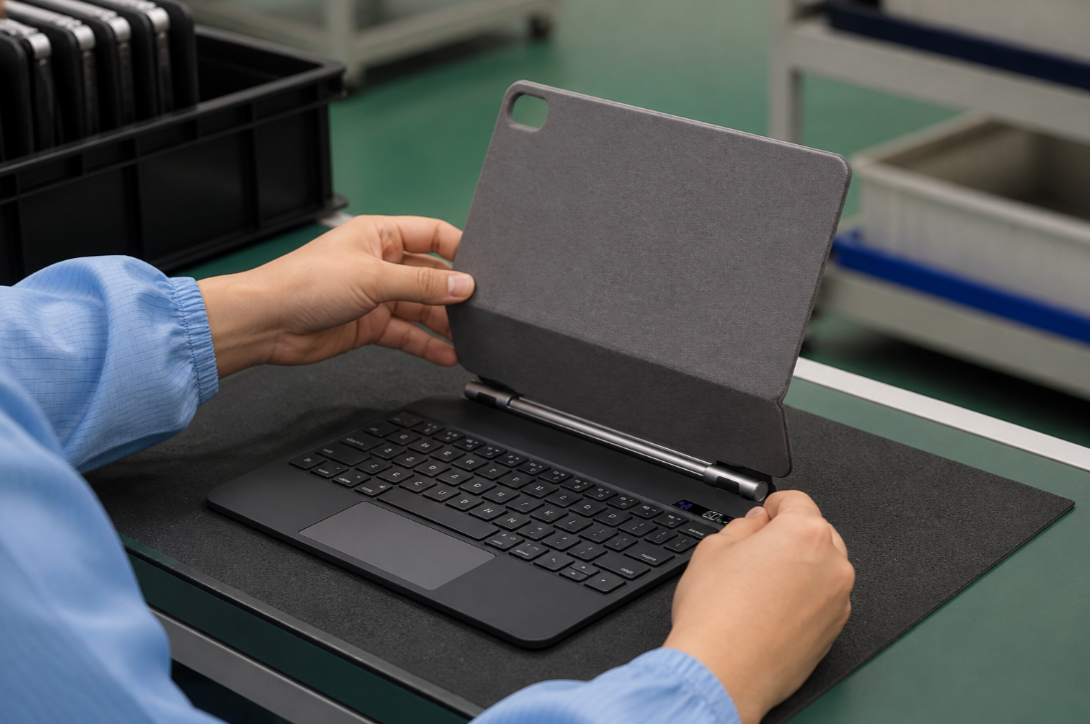
These stages have different purposes:
Sample Development
The manufacturer verifies the product design, structure, materials, electronics, firmware, compatibility, and typing performance.
Sample Approval
The customer confirms that the sample meets the agreed requirements. The approved unit should be identified by model, revision, and approval status.
Mass Production
The factory reproduces the approved design consistently at the required quantity, focusing on material control, process stability, testing, quality, and delivery.
The usual OEM keyboard workflow is:
Product requirements → Engineering development → Sample production → Customer testing → Sample approval → Production preparation → Mass production → QC → Shipment
When approval is delayed, the available production window becomes shorter.
What Should Buyers Check Before Approving a Sample?
Before signing off, buyers should review the complete product and close all open issues.
Key checks include:
- Case fit, hinge stability, and magnetic attachment
- Key alignment, key travel, and typing feel
- Bluetooth pairing, reconnection, and charging
- Battery performance, backlight, and touchpad response
- Shortcut keys and device compatibility
- Logo, color, key legends, and packaging
- Approved model, version, quantity, and delivery schedule
The final approval should clearly state which sample and specifications are being released for production.
What If Approval Takes Too Long?
The factory should provide a clear status update instead of sending repeated general reminders. The update should explain:
- Which items are still awaiting confirmation
- Which tasks can continue
- Which tasks must remain on hold
- The deadline for keeping the original production slot
- The possible impact on materials, capacity, and shipment
- The next action required from both parties
If approval arrives late, the manufacturer should reassess engineering, materials, production capacity, QC requirements, and shipment priorities before confirming a revised delivery plan.
A professional manufacturer does not solve this situation with speed alone. It relies on coordination between engineering, purchasing, production, quality control, and customer service.
How Can Manufacturers Prevent Approval Delays?
Several practices can reduce approval-related risks:
Use a Sample Approval Checklist
The checklist should cover the product model, compatibility, layout, mechanical structure, PCB, Bluetooth, battery, firmware, color, logo, packaging, and performance.
Keep a Golden Sample
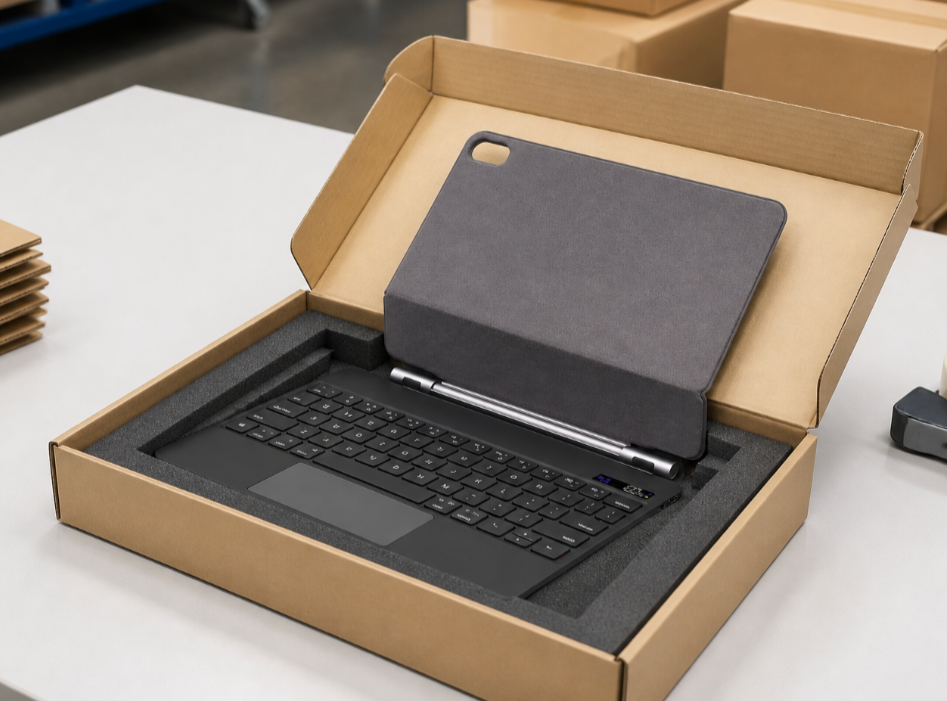
A controlled physical reference helps the factory compare mass-produced units with the approved version.
Document Engineering Changes
Any post-approval change to the PCB, firmware, housing, color, keycaps, battery, or packaging should be evaluated before production.
Set a Clear Approval Deadline
The production schedule should show when delayed approval may affect material purchasing, production capacity, or shipment.
Communicate with Specific Information
Marked-up photos, test reports, clear questions, and written confirmation can help both parties make decisions faster.
Frequently Asked Questions
What happens when keyboard sample approval is delayed?
The available production window becomes shorter. The manufacturer may need to review materials, engineering, production capacity, QC requirements, and shipment priorities.
Can materials be prepared before sample approval?
Standard or already-confirmed components may be prepared in advance. Customized components usually require confirmed specifications before production release.
Does delayed approval always delay delivery?
Not necessarily. The factory may reorganize production, use available materials, prioritize urgent quantities, or adjust the shipment plan. The result depends on the product complexity, approval timing, material status, and available capacity.
Conclusion
Sample approval is the bridge between keyboard development and mass production. A delayed decision can affect PCB and PCBA preparation, materials, tooling, assembly, Bluetooth configuration, battery integration, QC, packaging, and shipment.
For brands looking for an OEM keyboard manufacturer, ODM keyboard manufacturer, tablet keyboard manufacturer, or iPad keyboard case manufacturer, production management is just as important as manufacturing capability.
A reliable partner should be able to answer one key question:
When the schedule changes, can the factory still control quality, production, and delivery?
That is the real value of an experienced keyboard manufacturing partner.

